

Asís Arechavaleta
Director, Public & Social Development
Area of Expertise: Public & Social Development | March 2026
Hidden Populations, but Not Unreachable
The arrival of artificial intelligence will profoundly transform the operational dynamics of quantitative and mixed research techniques. Its impact will likely be greater than what we currently estimate. In qualitative research, the change has been more gradual: we have already experienced an initial transition with the shift toward virtual methodologies and the incorporation of neuromarketing into research practices.
One of the major challenges today is recruiting participants. Social networks and virtual tools facilitate processes in studies involving mass consumption or relatively homogeneous populations with basic objectives. However, distrust in sharing personal data, lack of time, and low interest in participating are creating an increasingly significant barrier.
The real complexity emerges when working with hidden or vulnerable populations: groups that fall outside traditional census frameworks and are difficult to identify or access. In these cases, research stops being a simple data collection exercise and becomes a strategic project, where the methodology must be carefully designed from the outset.
Methodologies for Hidden Populations
Techniques such as Respondent-Driven Sampling (RDS), the use of complementary data sources, and the multiplier method are key tools in this type of social research. However, their application requires a prior process of socialization, awareness-building, and proper scoping, which demands greater dedication and especially careful handling.
From our experience in market research and social studies, the fact that a population is hidden does not mean the project is destined to fail. On the contrary, these studies often generate findings that challenge traditional assumptions.
For example, the use of incentives carries much less weight than in commercial studies targeting high-income profiles. In these contexts, incentives function more as a form of social contribution than as a persuasion mechanism, and they can even become part of the analysis itself through observational methods, generating insights in their own right.
Trust, Access, and the “Snowball Effect”
Once the individuals or groups to be approached have been identified, rejection levels tend to be low. Interest in participating is often even higher than in commercial studies, as long as one golden rule is respected: establishing assertive contact supported by organizations or leaders with a recognized track record within those communities.
When trust is built, the “snowball effect” is activated. The sample evolves organically, with the desired level of randomness and a composition close to the target population. It is a phenomenon similar to recommendations in marketing—the most effective source of new customers. In this case, informants.
The active participation of community leaders, program managers, and coordinators is not only important but essential. At this point, the client stops being merely a contracting party and becomes a strategic partner—an important milestone in consulting and research projects.
Field Experience
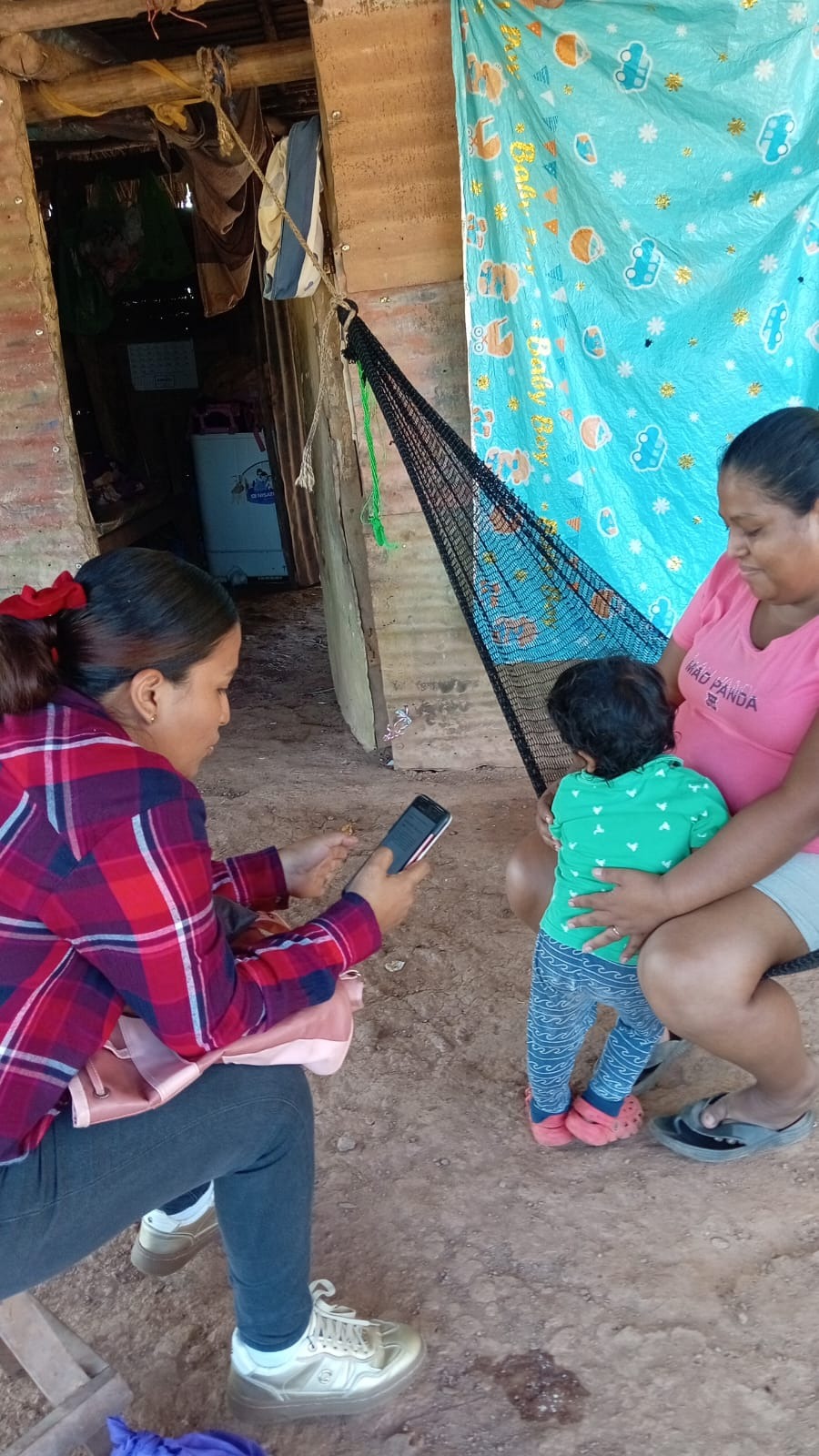
In countries such as Guatemala and Panama, working with Indigenous populations on projects alongside international organizations such as the UN, the Inter-American Development Bank (IDB), and various NGOs and foundations, we have confirmed that prior engagement in the field is decisive. Initial visits and connections with community leaders ensure openness and participation in mixed-method studies.
In other contexts—such as research involving men who have sex with men, sex workers, or people who inject drugs—building relationships with organizations that bring these populations together, and creating safe, non-discriminatory spaces aligned with World Health Organization (WHO) methodologies, are essential for an effective approach.
More Preparation, Not More Fear
Talking about hidden populations should not generate fear. In some cases, it is actually more difficult to access executive profiles or high socioeconomic niches.
The key lies in preparation: conducting thorough preliminary research, building a solid contextual framework, and designing a creative plan that includes identification, mapping, location, and access strategies.
Hidden populations are not invisible by nature; they are invisible to those who do not broaden their perspective. Whether due to stigma, illegality, or social exclusion, these groups exist and, when approached appropriately, are often among the most willing to participate, share their views, and contribute to solutions for the challenges they themselves face.
